Accountability sounds simple until life gets busy. Close the laptop late, skip the grocery run, graze on leftovers, and promise tomorrow will be different. I have coached hundreds of adults through versions of that week. The pattern shifts when someone knows you will check in, when the plan is built around your biology, your kitchen, and your stressors, and when progress is measured with something better than a bathroom scale. That is where weight loss coaching proves its value. It turns vague intentions into specific behaviors, and it replaces guesswork with a system that adapts to you.
Why accountability works better than willpower
Relying on willpower alone is like trying to drive with a low fuel light. It might get you through a day, but it fails under pressure. Accountability is a different engine. It sets expectations, logs actions, and provides timely feedback. The psychology is straightforward. When people expect to report back to a real person, adherence rises. Add clear goals and objective data, and the effect grows.
In practice, I see three levers make the difference. First, we define behaviors instead of abstract outcomes, for example, protein at two meals before 2 p.m., or a 10 minute walk after dinner four nights this week. Second, we reduce friction, such as pre-portioning snacks or scheduling strength sessions on calendar blocks you protect like meetings. Third, we normalize course correction rather than perfection. The promise is not that you will never miss; the promise is that the next decision will be easier because we planned for the miss.
The anatomy of a professional coaching program
An effective weight loss program does not start with food rules. It starts with an evaluation. In a clinical weight loss setting, that means a comprehensive intake: medical history, medications, sleep, stress, menstrual history for women, prior attempts, dieting triggers, and a basic nutrition and activity recall. For some, supervised weight loss is essential due to comorbidities or medication interactions. For others, non surgical weight loss with strong lifestyle counseling is all that is needed. The best programs separate these paths early.
A typical physician guided weight loss or doctor supervised weight loss process includes baseline labs like a metabolic panel, lipid profile, A1C, TSH, and where appropriate, vitamin D, B12, ferritin, and reproductive hormones. Not everyone needs every test, but data prevents unforced errors, especially with metabolic weight loss concerns, insulin resistance, or thyroid disease. If a patient has uncontrolled hypertension, severe sleep apnea, or a complex psychiatric history, we co-manage with their primary care provider or specialist.
From there, we build a custom weight loss plan. Personalized weight loss is not a marketing phrase in a clinical setting, it is a blueprint. A new father who travels two weeks a month for sales needs a different weight management program than a nurse working nights or a 58 year old woman dealing with hot flashes and disrupted sleep. We match the plan to the life pattern, then we track how the body responds.
Defining success
Scale weight matters, but it is incomplete. I have coached clients who lost two to three clothing sizes with only a modest drop on the scale. Water shifts, glycogen changes, and muscle retention cloud the picture. A better dashboard includes waist circumference, progress photos in consistent lighting, resting heart rate, strength benchmarks, appetite ratings, sleep quality, and energy. In a clinical weight loss clinic we also watch blood pressure, fasting glucose or CGM trends where relevant, and lipids. For someone with obesity or metabolic syndrome, this is not vanity, it is risk reduction.
There is also a social definition of success that gets people into trouble. Rapid weight loss feels exciting for two to four weeks, then the inevitable plateau hits and motivation breaks. Sustainable weight loss, the kind that stays off for years, looks calmer on paper. Two to four pounds in the first week is mostly water, then one to two pounds weekly for several weeks, then a slower taper where inches change faster than the scale. Quality programs set that expectation on day one.
Choosing the right lane: lifestyle, medication, or both
The question I hear the most is whether someone should pursue lifestyle-only weight loss without surgery, add medication, or consider a procedure. The answer depends on medical need, personal preference, and response to prior attempts.
Lifestyle-only approaches work well for beginners with under 30 pounds to lose, no major metabolic issues, and a history of regaining weight primarily due to environmental triggers rather than appetite dysregulation. With a strong coach, these clients can reach effective weight loss through a combination of progressive strength training, modest cardio, higher protein intake, fiber targeting, and a consistent meal rhythm.
Medical weight loss with medication becomes appropriate when hunger signaling is out of proportion to intake, when binge episodes persist despite therapy, or when comorbidities like prediabetes or fatty liver disease raise the stakes. In those cases, physician guided weight loss may include GLP-1 receptor agonists or other evidence based weight loss medications. Medication is not a shortcut, it is a tool that lowers the effort required to stick to the behaviors. Patients still benefit from weight loss counseling and structured support.
Bariatric surgery saves lives for people with severe obesity and refractory metabolic disease. But there is a wide space between surgery and do it yourself regimes. Many adults find success with non surgical weight loss that combines nutrition coaching, behavioral therapy, and if indicated, medication. A weight loss doctor or weight loss specialist should walk you through the trade-offs plainly, including expected timelines, potential side effects, and monitoring. A good weight loss provider respects your values and your pace.
Building the plan: practical levers that move the needle
I would rather see a client nail three small levers every day than dabble in eight. The plan layers simple actions that, together, create a calorie deficit, improve satiety, preserve muscle, and protect mood. The exact prescription shifts with your schedule and taste, but the mechanics remain consistent.
Protein intake comes first. Most adults do better around 1.2 to 1.6 grams per kilogram of goal body weight, spread across two to four meals. Higher protein stabilizes appetite, preserves lean mass during a deficit, and raises the thermic effect of food. For a 180 pound person targeting 160, that is roughly 90 to 115 grams per day. It is easier than it sounds when you anchor each meal with a clear source: eggs or Greek yogurt at breakfast, chicken or tofu at lunch, fish or lentils at dinner, with a scoop of whey or a ready to drink shake as a bridge on busy days.
Fiber is the second anchor. Most clients fall short of 25 to 35 grams daily. The fix is not a complex recipe kit, it is a daily habit: vegetables at two meals, fruit at one meal, and one high fiber starch like oats, beans, or potatoes with the skin. Appetite improves within a week for most people.
Meal timing matters less than consistency. Some do well with a 12 hour eating window for appetite control. Others prefer three square meals. I have seen success with early time anchored meals for shift workers and with classic breakfast lunch dinner for those who crave routine. The key is to avoid long afternoon stretches without protein, which can trigger overeating at night.
Strength training protects muscle while you lose fat. Two to three sessions weekly, 30 to 45 minutes each, focused on compound movements, is enough for most beginners. You do not need advanced programming to benefit. I have watched grandmothers learn goblet squats and bands, and their DEXA scans tell the story months later. Cardio complements this by improving insulin sensitivity and recovery. Start where you are. If your watch says you average 2,000 steps, jumping to 10,000 is a recipe for shin splints. Add 1,000 to 1,500 steps per day each week until you settle near 7,000 to 10,000.
Sleep and stress round out the picture. I ask every client the same question during intake: can you commit to a sleep wind down that starts 45 minutes before bed, screens out of reach, lights low? People who honor that boundary lose weight more reliably, not because sleep burns fat, but because rested people make steadier choices and regulate appetite hormones more effectively.
How coaching sessions actually unfold
A good coaching session is not a lecture. It is a short diagnostic, a review of commitments, and a micro-adjustment. In my practice we use a shared dashboard that imports step counts, logs workouts, and collects quick self-ratings: hunger, energy, mood, cravings, and sleep. We look for patterns. Did your hunger spike on days with fewer than 6,000 steps or on nights with late dinners? Did your weekend blow up because Friday was under fueled? Data makes the conversation concrete.
We also use decision trees. If a client reports they missed a meal prep window on Sunday, we do not recycle advice about discipline. We pick a backup. That might be a grocery store run for rotisserie chicken and pre-cut vegetables, or it might be shelf Grayslake IL weight loss stable options at the office. Coaching turns obstacles into plans B and C before the next week rolls around. That is weight loss guidance, not cheerleading.
Finally, we track both leading and lagging indicators. The scale and waist are lagging, they respond to behavior with a delay. The leading indicators are the behaviors themselves. Did you hit your protein target four days this week? Did you log steps? Did you get two strength sessions? When those move, the outcomes follow.
The role of a clinic versus independent coaching
A weight loss clinic brings medical infrastructure. You get a physician led assessment, labs, and if indicated, weight loss treatment like prescription medications or metabolic evaluations. A clinic can coordinate care with your primary doctor and monitor side effects, adjust doses, and order imaging. If you have complex needs, a clinic or a physician guided weight loss program is safer.
Independent coaching shines for behavior change. Coaches build systems in your real environment: your pantry, your commute, your partner’s preferences. Many clinics now offer integrated weight loss services with dietitians, therapists, and coaches under one roof. That model works well because it respects both biology and behavior. Whether you choose a weight loss center or a private coach, ask how they handle accountability, data tracking, and escalation when progress stalls.
When rapid loss is safe, and when it is not
People ask for rapid weight loss for events, surgeries, or a sense of momentum. In the first week or two, a faster drop is common due to water and glycogen shifts. Past that, sustained aggressive deficits increase risk of muscle loss, gallstones in predisposed individuals, menstrual irregularities, and rebound hunger. There are exceptions. In supervised weight loss for severe obesity, very low calorie diets can be safe under a clinical protocol, with physician oversight, labs, and supplementation. Outside of that context, most adults do better with a moderate deficit that allows training, sleep, and social life to stay intact.
Healthy weight loss respects your baseline. If you are 5 feet 4 inches and 145 pounds with a full-time job and two kids, a rigid plan that demands two hours of daily training and perfect macros is not safe or realistic. If you are 6 feet 2 inches and 320 pounds with prediabetes and joint pain, a carefully structured, higher protein plan with medication support might deliver more relief and less wear on your knees in the short term, especially when combined with physical therapy.
Appetite control without white-knuckling
Everyone wants to feel normal around food. The path there blends nutrition, routine, and sometimes medication. On the nutrition side, front loading protein and fiber earlier in the day blunts late night raiding. Hydration helps, though not as much as social media claims. A glass of water does not erase a craving, but consistent hydration prevents the fatigue that often masquerades as hunger. On the routine side, planned indulgences beat spontaneous binges. If Friday night pizza is part of your life, build it in and scale the day around it.
Medication earns its place when appetite outpaces effort. GLP-1 medications change the signal in a way coaching alone cannot. In clinical practice, the best results come when we pair medication with behavioral coaching, so that as doses stabilize and eventually down titrate, the behavior scaffolding is already in place. That is sustainable weight loss, not dependency.
The value of behavioral therapy in weight loss
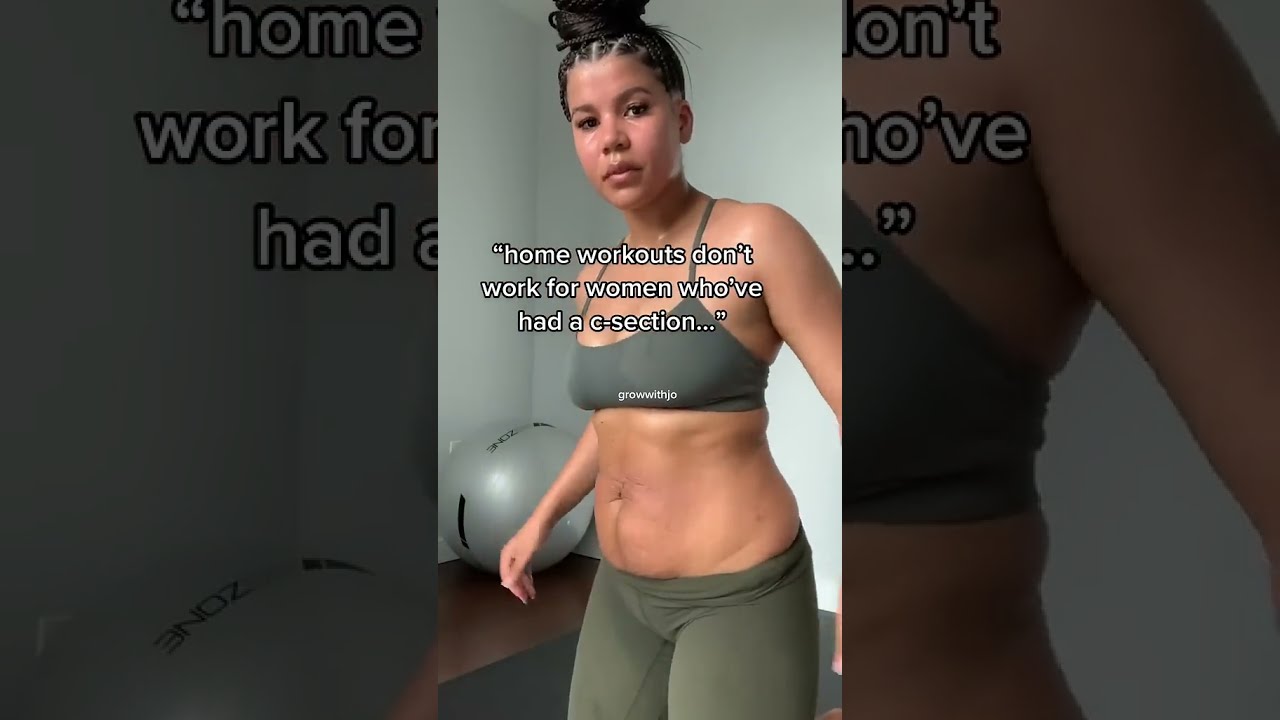
Weight loss and behavioral coaching share a border with therapy. Not everyone needs a therapist as part of a weight loss plan, but many benefit from at least a brief intervention for emotional eating, trauma histories, or rigid food rules. A weight loss therapist can help disentangle guilt from choices and build coping strategies that do not involve food. In our weight loss health program, we screen for disordered patterns. If someone is tracking every gram with distress, avoiding social events, or tying self-worth to the day’s number, we slow down and widen the circle of care.
Motivational interviewing is one technique that shows up in both coaching and therapy. It respects autonomy, draws out reasons for change from the client rather than imposing them, and supports confidence. When a client articulates their own why with specifics, adherence improves.
What progress feels like week to week
During the first two weeks, the wins feel tactical. Clothes loosen a touch, energy steadies, and bathroom scale numbers bounce but trend down. Hunger may still flare late at night. Weeks three to six are where routines stick. Grocery lists get shorter, workouts feel less like decisions and more like appointments, and sleep patterns improve. At https://weightlossgrayslakeil.blogspot.com/2026/01/weight-loss-options-and-how-to-choose.html this stage, many clients notice fewer afternoon slumps and a clearer sense of appetite regulation.
Plateaus arrive sooner than most people expect, often around weeks six to eight. This is not failure. It is math and adaptation. As you lose weight, your body spends fewer calories at rest. Water shifts and menstrual cycles also mask fat loss. During plateaus, we audit behaviors with more scrutiny. Are portions drifting up? Have steps slid on weekends? Do we need a modest calorie cycling approach to reintroduce novelty and adherence? Careful tweaks keep the curve moving without swinging to extremes.
By month three, good programs widen the focus from loss to weight management. Maintenance is not passive. It is a weight management program with relaxed guardrails. Calories float higher, training focuses more on performance and strength, and we loosen tracking to a few anchors that hold the structure. Long term weight loss depends on that shift from sprint to season.
What to ask in a weight loss consultation
Choosing a weight loss practice or coach deserves the same care you would put into hiring a financial planner. A short checklist clarifies quality quickly.
- How do you individualize a personalized weight loss plan, and what data do you collect up front? What is your stance on medications, and how do you monitor them if used? How will we measure progress beyond the scale, and how often will we review it? What is your experience with weight loss for women in perimenopause or weight loss for men with visceral fat and sleep apnea? How do you handle stalls, travel, holidays, and injury without losing momentum?
You will learn a lot from how a provider answers. If they promise identical results for everyone, be cautious. If they cannot explain their weight loss system or weight loss protocol in plain language, keep looking.
Special populations and nuances
Weight loss for beginners is mostly about building confidence and skills. Early wins matter. I like to start with one or two food targets and a simple movement goal. Too much complexity burns goodwill. For weight loss for overweight adults with joint pain, we emphasize low impact cardio like cycling or pool work and adjust training volume around recovery. For weight loss for obesity with metabolic syndrome, we front load protein, manage carbs strategically, use medication when indicated, and coordinate care with a physician.
Weight loss for women often runs into menstrual cycle effects and perimenopause. Estrogen shifts can change where you store fat and how you feel during certain weeks. Coaching adapts. We might plan deload weeks in training around low energy phases or adjust fiber and hydration to ease bloating. Weight loss for men often includes big weekend calorie swings, alcohol, and visceral fat patterns. Here, education about liver health, sleep apnea screening, and strength goals tied to objective numbers can make the plan stick.
Cultural and family patterns also matter. If you share meals with extended family, a rigid solo plan fails fast. I ask clients to bring favorite meals into the plan, then we adjust portions, cooking methods, or side dishes. Sustainable weight loss respects tradition without pretending it does not exist.
Technology, tracking, and when to stop tracking
Tracking helps until it hurts. Early on, logging meals teaches portion awareness and reveals patterns you cannot see otherwise. But long term, the goal is internalized habits. I prefer a taper. Start with food logging plus step counts plus strength sessions in a shared doc. After six to eight weeks, drop detailed logging but keep protein and steps visible. By maintenance, many clients only track two anchors: weekly strength sessions and a single day protein check.
Wearables and apps help with behavior nudges, not with virtue. If the tech produces guilt, it is working against you. A weight loss center that pushes every client into the same app or macro target without flexibility is serving the software, not the person.
Costs, value, and realistic timelines
Weight loss services vary widely. Group coaching programs can cost less than a gym membership, while physician supervised programs with labs and medication management cost more, especially in the first quarter. Insurance coverage is inconsistent, though many plans now cover medical weight loss when criteria are met. The value calculation depends on your health trajectory. If your A1C is rising, blood pressure is creeping up, and joint pain limits activity, the right plan can prevent more expensive care later.
Timelines depend on starting point and constraints. With consistent adherence, many adults lose 5 to 10 percent of body weight in three to six months. That range is clinically meaningful. Blood pressure drops, A1C improves, liver enzymes trend down. Past that, maintenance phases inserted every 8 to 12 weeks keep psychological bandwidth intact. Think in seasons, not weeks. A well run weight loss results program will plan those seasons with you.
Red flags to avoid
Any program that bans entire food groups without a medical reason, sells only its own supplements, or insists that everyone must intermittent fast or go keto raises concern. So does a provider who dismisses mental health or insists plateaus mean you cheated. Evidence based weight loss respects variability. It calibrates without shame.
On the flip side, avoid analysis paralysis. Waiting for the perfect plan often masks fear of discomfort. A solid, slightly imperfect plan you can execute today beats a sophisticated plan you will never start.
A closing snapshot from the field
A client named Maria, a 47 year old project manager, came to our weight loss practice after trying three diets in two years. She was juggling teenagers, an aging parent, and a demanding job. Her initial intake showed late dinners, short sleep, and weekend overeating rather than constant snacking. Labs revealed mild insulin resistance and low vitamin D. We built a personalized weight loss plan around three anchors: protein at breakfast and lunch, a 10 minute post dinner walk, and two strength sessions a week on Tuesday and Saturday mornings. We added vitamin D per her physician’s guidance and set step goals at 6,000, then 7,500, then 9,000 across eight weeks.
She lost six pounds in the first month, then held steady for two weeks. We looked at the dashboard and noticed Wednesday and Thursday dinners pushed later due to meetings. We supported her with a premade meal option and moved one strength session to Thursday lunch with a conference room band kit. Hunger dropped on Fridays, which had been her problem day. Over four months, she lost 18 pounds, reduced her waist by three inches, and normalized her A1C. More importantly, she held her routine through two business trips and a family vacation because the plan met her life where it lived. That is accountability in action, not perfection.
Bringing it together
Weight loss coaching is not a pep talk service. It is a structured partnership that blends science based weight loss with practical changes inside your real constraints. Sometimes it is a clinic with labs and medication. Sometimes it is a coach who knows your kid’s soccer schedule and the nearest grocery store to your office. The method shifts, but the principles do not: clear behaviors, smart monitoring, timely feedback, and compassion for the human doing the work.
If you are scanning options, look for a weight loss program that starts with thorough assessment, sets behavior based goals, measures progress beyond the scale, and adapts when life throws a punch. Whether you need weight loss without extreme dieting or weight loss with medical support, the right accountability can turn effort into lasting change. And once you feel the difference between pushing alone and being coached by someone who pays attention, you will not want to go back.